

I’ve worked almost exclusively as a locum contract anesthesiologist for the past 3 years. Because of this website, I’ve talked to more than 50 physicians (mostly anesthesiologists, a few nurses, 1 radiologist, 1 gastroenterologist, and plenty of residents from various specialties). I have gained a good deal of experience so far and I continue to be happy to share that experience with anyone looking for help.
Most important: I don’t want anyone to have any illusions about what they may be getting themselves into or what success might look like if you decide to take this path away from employed (or partnership) work.
If you’ve read any of the original numbered Newsletters, then you know that I come back to the same conclusion:
Locum contracting is not for everyone.
Time and Money
There should be no secret here. This is the real benefit to making the jump and working on your own, as it were.
The Anesthesiology market continues to exhibit an egregious supply/demand mismatch for physician anesthesiologists and nurse anesthetists in most locations.
Hour vs hour, working as a contract physician compensates better. Some locations are better than others, but that should be your expectation if you decide to pursue this route.
Because of this benefit, you can be more selective with how, when, and/or where you work.
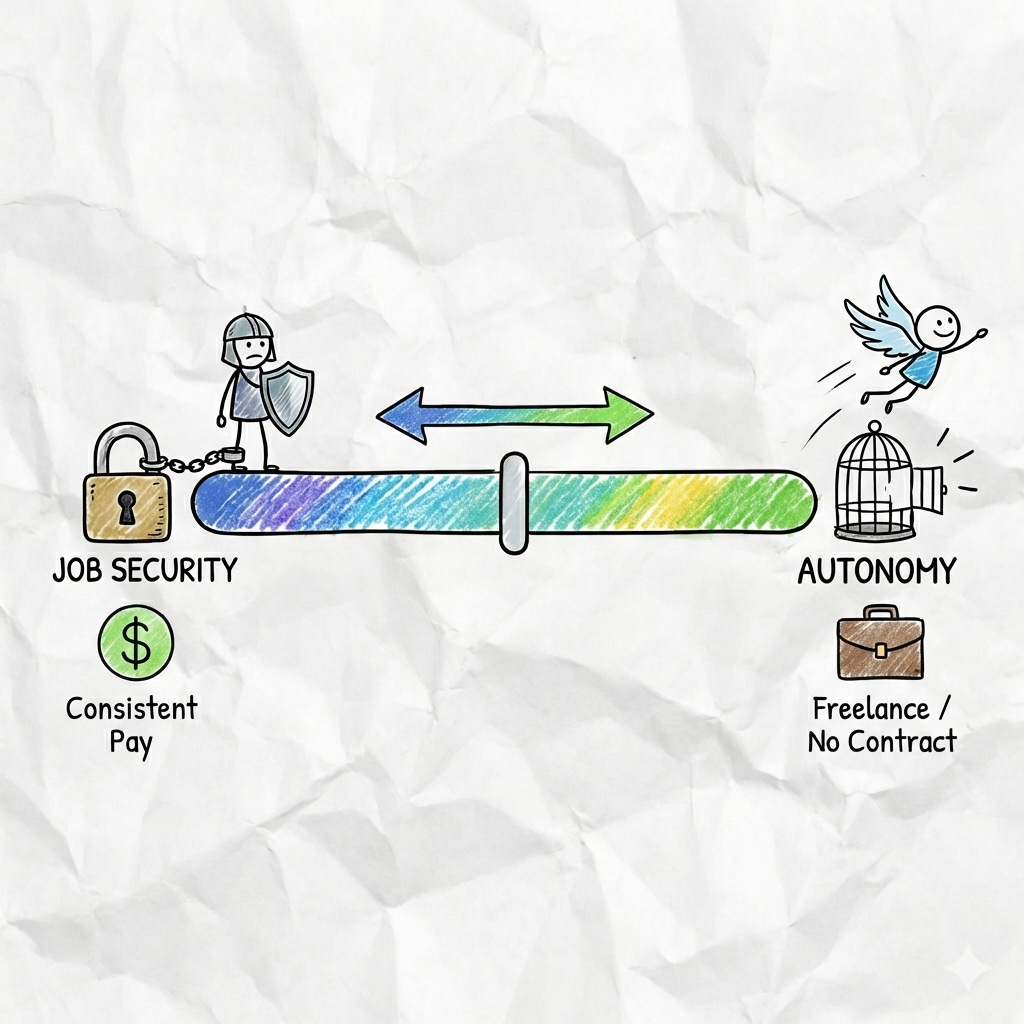
But all this flexibility and arbitrage exist on a spectrum.
And the big risk is scheduling inefficiency leading to pay inconsistency.
Scheduling Inefficiency Risk Leading to Pay Inconsistency Reality
It’s pretty simple.
If your schedule is not set more than 1 month or 3 months into the future, then your income isn’t either.
The hospital/group no longer needs you because they hired a new grad or there is a credentialing snafu even after working there for months (this has happened to me). Either way you are out!
The most challenging part of locums is you have to manage what I call Scheduling Inefficiency Risk - the risk you take by working for yourself and being a contract worker for a hospital or group. At any time a job can tell you that today (or next week or next month) is actually your last day working there. But I’d say from my own experience and from talking with people in the industry, you are more likely to be ghosted. Meaning that no one gets back to you about the dates you offer or they stop requesting you.
This costs you lost earnings and it costs you time looking for another position somewhere else.
This is why I advocate for diversifying your opportunities by rotating coverage at 2 places at a time, minimum. All in the name of limiting the devastating effects of short-term income loss.
Worth it for me… but what about you?
It doesn’t matter what my journey has looked like, because it has to work for you. It has to work for your family. It has to work for this season in your life.
Just because you hear stories from friends that have made the leap, doesn’t mean it’s for you.
It hasn’t been an easy 3 years, but I would not trade it for the type of job I had before, at this stage in my life. Similarly, I wouldn’t trade the first 5 years gaining experience at a quarternary care center for how I work now!
Furthermore, I’ve already been lucky enough to have spent cherished time with 2 family members before each of them passing. Time that I wouldn’t have been able to spend if I had worked my old schedule. And, time that I never would have been able to get back.
All I am asking for you is that you be intentional with your decision and you go into it with eyes wide open.